≥98% Purity · EU StockHighest bioavailability · 16.2% elemental Mg
Magnesium Citrate Bulk EU Wholesale · Free Form
The most bioavailable oral magnesium form — with the most complete technical resource on this topic. Seven-form comparison, animated absorption chart, pH-solubility data, clinical dosing guide across four applications, interactive elemental Mg calculator, and the deepest FAQ available for Mg citrate B2B buyers.
Why magnesium citrate outperforms every other oral form — the chemistry explained
Choosing the wrong magnesium form is the most common formulation mistake in the supplement industry. A product containing 500mg Mg oxide delivers less elemental magnesium to the bloodstream than 200mg Mg citrate. Here is the chemistry behind that statement.
The pH solubility problem — why oxide fails
Magnesium must be in its ionised, soluble form (Mg²⁺) to be absorbed through intestinal epithelial cells. As food and supplements move through the GI tract, pH rises from ~2 in the stomach to ~6–7 in the small intestine — where absorption occurs. Mg oxide (MgO) is highly soluble at pH 1–2 but becomes effectively insoluble above pH 4. By the time it reaches the duodenum and jejunum, nearly all the Mg has precipitated out of solution as Mg(OH)₂. Result: 4% relative bioavailability.
Magnesium citrate behaves oppositely. Citric acid forms a stable, water-soluble chelate with Mg²⁺ (magnesium citrate complex) that resists precipitation across the full intestinal pH range. At pH 7 — typical of the ileum where TRPM6/TRPM7 active transport and paracellular diffusion peak — Mg citrate maintains ~48 g/L solubility. The Mg remains available for absorption throughout the small intestine.
The key number: 1.85g Mg citrate powder = 300mg elemental Mg at ~90% bioavailability ≈ 270mg Mg actually absorbed. 0.5g Mg oxide = 300mg elemental Mg at ~4% ≈ 12mg absorbed. Mg citrate delivers 22× more magnesium to the bloodstream per dose that achieves the same systemic effect.
Two absorption pathways — how citrate leverages both
Intestinal Mg absorption uses two mechanisms. Active transcellular transport via TRPM6/TRPM7 channels is saturable at ~6 mmol/day — regulated by PTH, aldosterone and vitamin D₃. This pathway works regardless of form, but only up to its saturation point. Passive paracellular diffusion is concentration-dependent and non-saturable — it scales directly with luminal Mg²⁺ concentration. Citrate's benefit is primarily here: by maintaining high dissolved Mg²⁺ concentration throughout the intestine, citrate maximises the gradient-driven passive component. Oxide, being insoluble, provides almost no luminal Mg²⁺ for paracellular absorption.
Magnesium deficiency — who is at risk?
Dietary Mg intake has declined in Europe over the past 50 years due to food processing (Mg is lost in refining grains and cooking vegetables) and declining soil Mg levels. Population surveys show 50–70% of adults in Western Europe have magnesium intake below the Estimated Average Requirement. The main at-risk groups:
Athletes: sweat losses 4–15mg/L + 20–30% increased renal excretion during exercise → consistently lower Mg status than sedentary controls
Elderly: reduced intestinal TRPM6 expression with age → 30% lower absorption efficiency vs young adults
Type 2 diabetes: hyperglycaemia causes osmotic Mg loss in urine; insulin resistance correlates with intracellular Mg depletion
Alcohol use: alcohol promotes renal Mg excretion → common cause of unexplained deficiency
Diuretic users: thiazides and loop diuretics both increase renal Mg excretion — cardiac patients on furosemide are at particular risk
High-calcium supplementers: Ca competes with Mg at intestinal transporters when both are taken simultaneously in high doses
Mg status testing: Serum Mg (normal: 0.75–0.95 mmol/L) is an insensitive marker — only 1% of body Mg is extracellular. Intracellular red blood cell Mg (RBC Mg) or urinary Mg retention test are more accurate. Serum Mg can appear normal while intracellular stores are depleted by 20–30%.
8 documented deficiency symptoms
Magnesium deficiency — signs, mechanisms and prevalence
Magnesium participates in over 300 enzymatic reactions. Its deficiency is therefore exceptionally broad in its effects — from neuromuscular to cardiovascular to metabolic. Each symptom below has a specific biochemical mechanism, not a vague 'mineral is important' story.
💪
Muscle cramps & spasms
Mg²⁺ is Ca²⁺ antagonist at NMDA receptors — deficiency → neuromuscular hyperexcitability
Bioavailability and gastrointestinal tolerance bars are rendered in proportion. Elemental Mg% determines how much powder is needed per dose. For systemic effects (sleep, muscle, cardiovascular), bioavailability is the critical parameter — not elemental content.
Form
Bioavailability
Elemental %
GI Tolerance
Best For
Evidence
Verdict
Magnesium Citrate ★ BEST
16.2%
General health, sleep, constipation, sports
★★★★★
Best all-round form — high bioavailability, excellent tolerability, proven efficacy
Magnesium Glycinate Good
14.1%
Sleep, anxiety, sensitive GI
★★★★
Highest GI tolerance, calming effect — premium price
Magnesium Malate Good
19.8%
Energy, fatigue, fibromyalgia
★★★
Malate supports Krebs cycle — good for chronic fatigue
Magnesium Taurate OK
8.9%
Cardiovascular, blood pressure
★★★
Taurate has cardiac benefits — very low elemental Mg per gram
Magnesium Oxide Avoid
60.3%
Laxative only
★★
High elemental % but almost none absorbed — avoid for systemic effects
Magnesium Chloride OK
11.9%
Topical, transdermal
★★★
Good for topical use; GI irritation limits oral dosing
Magnesium Sulfate (Epsom) OK
9.9%
IV hospital, laxative, bath soak
★★
Hospital IV use and bath soaks only — poor oral tolerability
The Mg oxide trap: Mg oxide is the most common form in low-cost supplements because it has the highest elemental Mg% (60.3%) — making labels look impressive ('500mg magnesium'). But with only 4% relative bioavailability, that 500mg delivers ~20mg elemental Mg systemically. The equivalent Mg citrate dose (300mg elemental at 90% bioavailability = ~270mg absorbed) requires only 1.85g of powder. Label claims based on elemental content are meaningless without bioavailability context.
Relative bioavailability expressed as percentage of absorbed elemental Mg vs controlled reference standard. Citrate and glycinate lead; oxide trails by 20× margin. Scroll down to trigger animation.
⚠️ Bioavailability is not the same as elemental content. A product with 60% elemental Mg (Mg oxide) and 4% bioavailability delivers less systemic Mg than a product with 16% elemental Mg (Mg citrate) and 90% bioavailability. Always calculate absorbed elemental Mg = (elemental % × dose_g × bioavailability). The elemental Mg calculator below does this automatically.
Physical chemistry — logarithmic scale
Magnesium form solubility across gastrointestinal pH — the citrate advantage visualised
Solubility (g/L) at key pH points corresponding to stomach (pH 2–3), duodenum (pH 5–6) and ileum (pH 7). Note logarithmic Y-axis — Mg oxide solubility at intestinal pH is 10,000× lower than Mg citrate. This is why intestinal pH determines which form works and which does not.
Magnesium form solubility (g/L) vs gastrointestinal pH — logarithmic scale
Mg Citrate
Mg Oxide
Mg Chloride
Mg Sulfate
Mg Glycinate
Data: published equilibrium solubility at 25°C. Mg chloride and sulfate are highly soluble at all pH values but cause osmotic diarrhea at therapeutic doses. Mg oxide's near-zero solubility above pH 4 is the biochemical explanation for its poor bioavailability. Mg citrate maintains absorption-compatible solubility throughout the intestine.
Clinical dosing protocols
Magnesium citrate clinical applications — four areas with full dosing protocols
Magnesium citrate has documented clinical utility across sleep, sports, cardiovascular health and gut function. Each application has different target doses and timing. All doses expressed in elemental Mg — use the calculator below to convert to grams of Mg citrate powder.
😴 Sleep & Relaxation
🏋️ Sports & Muscle Function
❤️ Cardiovascular Health
🫁 Gut Health & Constipation
Reminder: All doses above are in elemental Mg. To convert to Mg citrate powder: divide by 0.162 (16.2% elemental content). Example: 300mg elemental Mg ÷ 0.162 = 1.85g Mg citrate powder. Use the calculator below for any target dose.
Select your magnesium form, application goal and target elemental Mg dose. The calculator outputs the exact powder mass needed per serving, monthly bulk usage estimate and protocol guidance.
Synergistic formulations
Magnesium citrate stack builder — three complete protocols
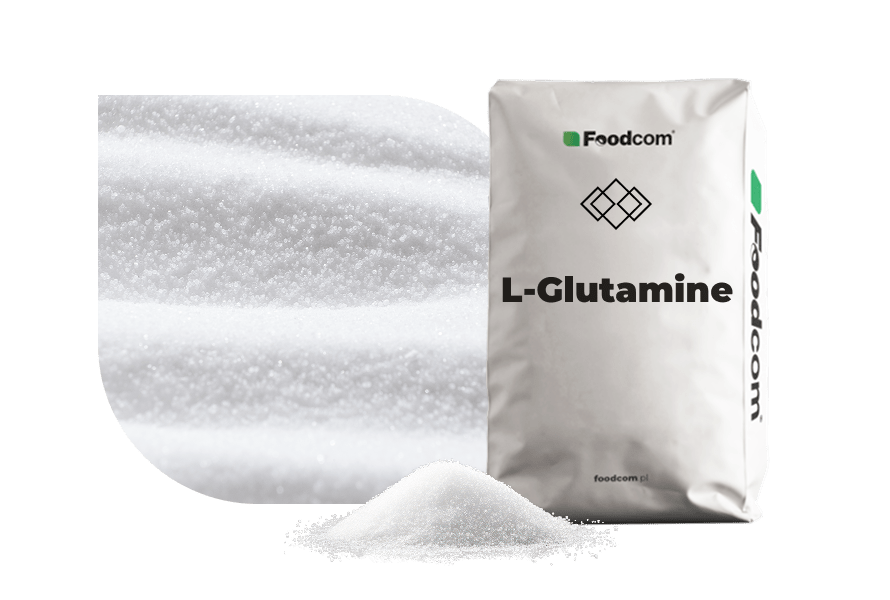
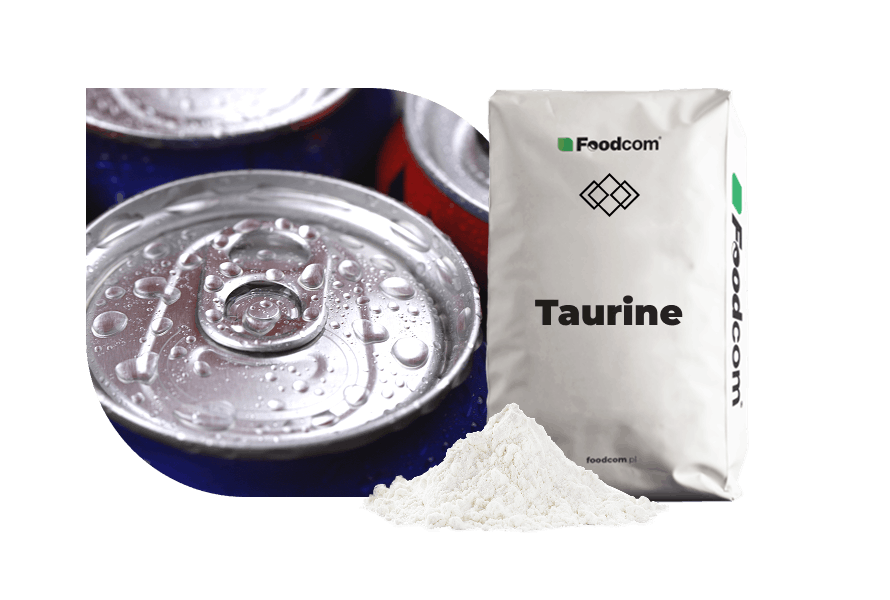
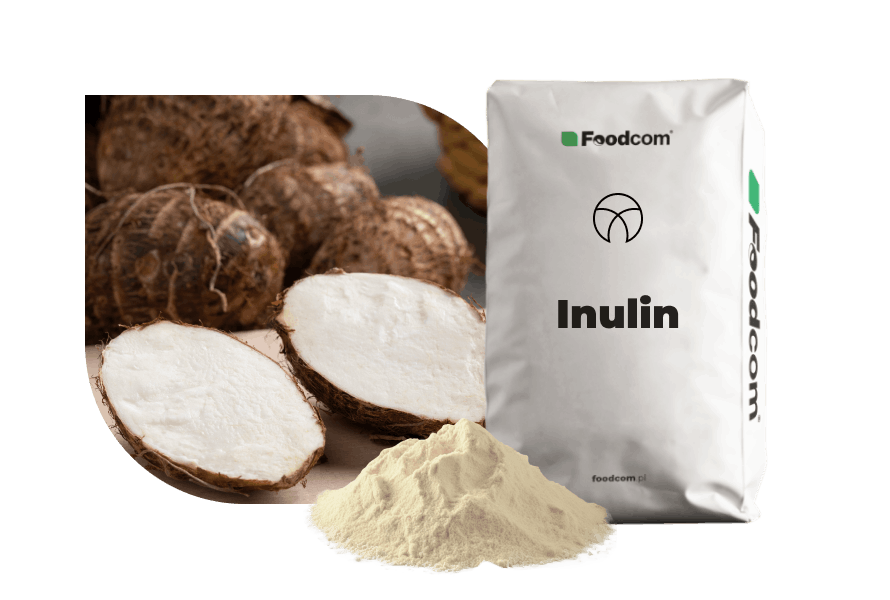
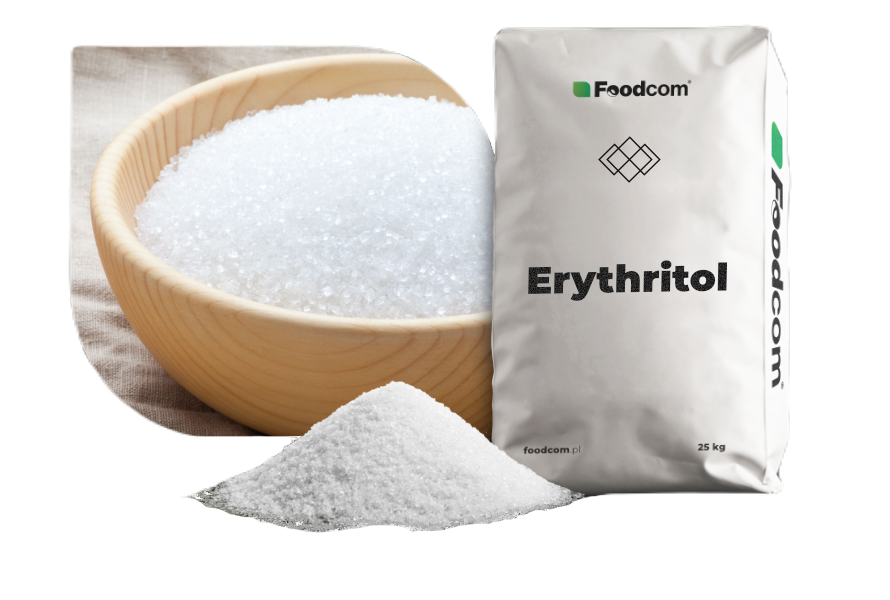
Mg citrate works synergistically with different co-ingredients depending on target application. All ingredients available from FDCM EU stock — one consolidated shipment.
😴 Sleep & Recovery Stack
🏋️ Sports Performance Stack
❤️ Cardiovascular & Calm Stack
Regulatory & safety profile
Magnesium citrate safety — EU regulatory status & clinical data
Mg citrate is listed as an approved magnesium source in EU Regulation 1170/2009 (nutrient sources for food supplements and foods for particular nutritional uses). Safety profile is well-established with decades of clinical use.
Parameter
Status / Value
EU regulatory status
✓ Safe — Food supplement ingredient. No E-number. Permitted under EU 1170/2009 (nutrient sources in food supplements).
EFSA tolerable upper intake
✓ Safe — 350 mg/day elemental Mg from supplements (food sources excluded). EU 1169/2011 NRV = 375 mg/day.
Overdose (supplemental)
⚠ Caution — Above 350–400mg elemental Mg from supplements → osmotic diarrhea. No systemic toxicity in healthy individuals.
✓ Safe — Safe at RDA levels (270–350mg/day elemental). Used clinically as tocolytic (IV MgSO4) to delay premature labour.
Allergens
✓ Safe — Not a listed allergen (EU 1169/2011). Vegan, non-GMO, halal/kosher suitable.
Laxative effect
⚠ Caution — Dose-dependent: >350mg elemental Mg from citrate may cause loose stools in sensitive individuals. Start low.
Full catalogue
Magnesium citrate & synergistic ingredients — FDCM EU stock
Mg citrate plus the ingredients most commonly combined in sleep, sports, cardiovascular and gut health formulations. All from EU stock with CoA per batch.
Road freight from Warsaw EU warehouse. Full tracking, 3–7 business days, 25 kg minimum, no framework contract. Consolidated multi-ingredient orders as one consignment.
Magnesium citrate bulk EU — the most complete FAQ available
Written at supplement formulator and nutritionist level — with absorption mechanisms, clinical evidence, drug interactions and practical dosing calculations.
Magnesium citrate is the magnesium salt of citric acid (C₁₂H₁₀Mg₃O₁₄). It is preferred for oral supplementation because citric acid keeps magnesium in a soluble, ionised form (Mg²⁺) across the physiologically relevant range of gastrointestinal pH. In the stomach (pH 1.5–3.5), citrate enhances Mg solubility. In the small intestine (pH 5.5–7.5) — where absorption occurs — Mg citrate maintains approximately 48–55 g/L solubility vs near-zero for Mg oxide. Relative bioavailability studies consistently place Mg citrate at 80–90% vs the reference standard, compared to 4% for oxide, 60–72% for chloride, and 85–92% for glycinate. The practical consequence: to deliver 300mg elemental Mg effectively, you need 1.85g of Mg citrate powder vs 0.50g of Mg oxide — but the oxide delivers almost none of its Mg systemically.
These forms differ in three key properties: elemental Mg content, bioavailability, and the organic acid or ligand attached. Citrate (16.2% elemental, ~90% bioavail): best all-round — high absorption, good GI tolerance, mild laxative effect at higher doses, low cost. Glycinate (14.1%, ~92%): highest GI tolerance — glycine is itself calming, making this ideal for anxiety and sleep with sensitive GI; higher cost. Malate (19.8%, ~85%): malate is a Krebs cycle intermediate — claimed benefit for energy and fibromyalgia; good tolerability, moderate cost. Oxide (60.3%, ~4%): highest elemental % but almost none absorbed orally — appropriate only as osmotic laxative or antacid. Taurate (8.9%, ~80%): very low elemental content means large doses needed; taurate has cardiac benefits but is expensive for the Mg delivered. Sulfate (Epsom): excellent solubility but very poor GI tolerability as oral supplement; used in IV hospital settings and bath soaks.
The EU NRV (Nutrient Reference Value) for magnesium is 375mg elemental Mg/day from all sources. EFSA sets the Tolerable Upper Intake Level from supplements specifically at 350mg elemental Mg/day (above this, osmotic diarrhea risk increases). Most adults in Europe get 200–280mg from diet (declining due to food processing and lower soil Mg content), leaving a supplemental need of 70–175mg/day for most people. To deliver 300mg elemental Mg: 300 ÷ 0.162 = 1.85g Mg citrate powder. For 400mg: 2.47g powder. For sleep specifically, doses of 200–400mg elemental Mg (1.2–2.5g powder) taken before bed have the strongest clinical evidence. The elemental Mg calculator on this page computes exact powder doses for any target and form.
Muscle cramps: Mg²⁺ is the physiological antagonist of Ca²⁺ at the neuromuscular junction. Calcium triggers muscle contraction; magnesium enables relaxation. At low intracellular Mg²⁺ concentrations, the resting threshold for neuromuscular firing decreases — muscles become hyperexcitable and prone to spontaneous contraction (cramps). This is particularly pronounced in athletes who lose Mg through sweat (up to 4–15 mg per litre depending on fitness level and heat) and during pregnancy. Sleep: Magnesium activates GABA-A receptors — the primary inhibitory neurotransmitter system in the brain. GABA-A is the same target as benzodiazepines and alcohol, but Mg activates it without pharmacological dependence. Mg also suppresses the HPA (hypothalamic-pituitary-adrenal) axis, reducing cortisol release — essential for sleep initiation. Additionally, Mg is required for the conversion of serotonin to melatonin via the enzyme acetylserotonin O-methyltransferase.
Mg²⁺ acts as a natural calcium channel blocker (CCB) in vascular smooth muscle cells. By competing with Ca²⁺ at voltage-gated calcium channels, Mg reduces smooth muscle contraction → vasodilation → reduced peripheral resistance → lower blood pressure. Mg also activates endothelial nitric oxide synthase (eNOS), increasing nitric oxide production — a potent vasodilator. Clinical evidence: A 2016 meta-analysis of 34 RCTs (n=2,028, Rosanoff et al.) found Mg supplementation reduced systolic BP by 2.0 mmHg and diastolic BP by 1.78 mmHg at median dose of 368mg/day. The effect was larger in hypertensive individuals (SBP reduction 3–4 mmHg). While modest, this is meaningful at a population level and additive with dietary interventions. Mg is particularly relevant in metabolic syndrome — Mg is a cofactor for the insulin receptor tyrosine kinase, and insulin resistance is associated with low intracellular Mg.
Long-term safety profile is excellent for healthy adults. The main contraindications: (1) Renal impairment — kidneys excrete excess Mg; impaired kidneys cannot regulate this → hypermagnesemia risk. Symptoms at Mg levels >2.5 mmol/L: nausea, hypotension, bradycardia; at >5 mmol/L: respiratory depression. Even mild renal impairment (eGFR <60) warrants medical supervision for Mg supplementation. (2) Severe gut conditions — inflammatory bowel disease with active flare: the laxative effect of Mg at higher doses can worsen symptoms. (3) Drug interactions: Mg chelates several antibiotics (fluoroquinolones, tetracyclines) and bisphosphonates, reducing their absorption by 40–80%. Take Mg supplements at least 2 hours away from these medications. Thiazide diuretics increase renal Mg excretion — these patients often need supplementation. (4) Loop diuretics (furosemide) cause Mg wasting — common reason for unexplained Mg deficiency in cardiac patients.
Yes — magnesium deficiency is found in approximately 50% of migraine sufferers during attacks, and low cerebrospinal fluid Mg is documented in migraine patients. The mechanism: Mg inhibits cortical spreading depression (CSD — the wave of neuronal and glial depolarisation underlying migraine aura) by blocking NMDA glutamate receptors, which require CSD propagation. Mg also inhibits platelet aggregation and serotonin release — both relevant to migraine pathophysiology. Clinical evidence: IV Mg sulfate is used in emergency settings for acute migraine. Oral prophylaxis: a meta-analysis of 5 RCTs found Mg supplementation (400–600mg elemental Mg/day) reduced migraine frequency by approximately 22% vs placebo. The German Migraine and Headache Society and the American Academy of Neurology include Mg as a Grade B prophylactic recommendation. Preferred form: Mg citrate (well-absorbed, oxide has poor evidence for Mg status improvement). Allow 3 months for full effect.
Athletes need more Mg for three reasons: (1) Sweat losses: Mg is lost in sweat at 4–15mg/litre, with more fit individuals losing less per litre but exercising longer. An endurance athlete losing 2–3L sweat per session loses 8–45mg Mg from sweat alone. (2) Urinary excretion: exercise increases renal Mg excretion by 20–30%, probably via cortisol-mediated effects on renal tubular reabsorption. (3) Higher metabolic demand: all ATP-dependent reactions require Mg²⁺-ATP complex — high-intensity exercise dramatically increases ATP turnover. Studies show athletes consistently have lower serum and intracellular Mg than matched sedentary controls. Adequate Mg improves: muscle strength and power output (meta-analysis 2017: +7.7% force production), VO2max in deficient athletes, reduced exercise-induced inflammation (lower IL-6, CRP), faster recovery and reduced DOMS. Recommended intake for athletes: 350–500mg elemental Mg/day (vs 350mg population RDA). In heat: add 50–100mg/hour of heavy exercise for sweat losses.
Magnesium absorption occurs primarily in the distal small intestine (ileum) and colon via two mechanisms: (1) Active transcellular transport (~30% of absorption): via TRPM6 and TRPM7 channels — saturable at approximately 6 mmol/day intake, regulated by PTH, aldosterone and 1,25-dihydroxyvitamin D₃. This pathway is limiting at low Mg intake. (2) Passive paracellular diffusion (~70% of absorption): driven by concentration gradient — non-saturable, favoured by high luminal Mg concentration. Citrate's advantage operates here: by keeping Mg²⁺ in solution rather than forming insoluble Mg(OH)₂ or MgCO₃ at intestinal pH, citrate maintains the concentration gradient needed for passive diffusion. Total fractional absorption: 20–60% depending on intake level (absorption efficiency increases at low intake — homeostatic regulation), form, gut transit time, vitamin D status, gut pH, and presence of inhibitors (phytate, oxalate, dietary fibre at very high intakes). Citrate chelation is the single most important factor under formulator control.
Children: Mg requirements are age-dependent (EFSA AI): 80mg/day (1–3 years), 170mg/day (4–8 years), 230mg/day (9–13 years), 300mg/day (14–17 years). Supplemental Mg citrate is safe for children at appropriate doses. The EFSA TUIL of 350mg/day from supplements applies to adults; children's supplemental TUIL is proportionally lower. Pregnancy: Mg requirement increases to 300–350mg/day elemental. Supplemental Mg during pregnancy is safe and well-studied — used clinically as IV MgSO4 for pre-eclampsia and as a tocolytic for preterm labour prevention. Oral Mg supplementation in pregnancy is associated with reduced risk of leg cramps and preterm birth in observational studies. Preferred form in pregnancy: Mg citrate (good bioavailability, good tolerability) or Mg glycinate (better GI tolerance if nausea is present). Avoid Mg oxide in pregnancy — low bioavailability means Mg status doesn't improve while the dose is taken.
Synergistic interactions: (1) Vitamin D: Mg is a cofactor for vitamin D hydroxylation (25-hydroxylation in liver, 1α-hydroxylation in kidney) and for the vitamin D receptor. Without adequate Mg, vitamin D supplementation may be less effective, and Mg deficiency can impair PTH secretion (which regulates both Ca and Mg). (2) Vitamin B6: B6 (pyridoxine) facilitates Mg entry into cells — many 'magnesium B6' formulations exploit this. Evidence for meaningful synergy is mixed. (3) Zinc: both compete for the same intestinal transporters (ZIP4) at high doses. Avoid taking >50mg zinc and high-dose Mg simultaneously. (4) Calcium: Ca competes with Mg at TRPM6/7 channels; high-dose Ca supplements can reduce Mg absorption. Take Ca and Mg 1–2 hours apart at high doses. (5) Taurine: Mg and taurine have complementary cardiovascular effects — combined use in cardiac health formulations is rational. (6) Creatine: Mg is a cofactor in the creatine kinase reaction (creatine + ATP → PCr + ADP requires Mg²⁺-ATP). Adequate Mg supports creatine's effectiveness — a rarely discussed but biochemically relevant interaction.
Standard with every delivery: Certificate of Analysis (CoA) per batch — assay (Mg content, citrate content), heavy metals (Pb, Cd, As, Hg per EU 231/2012), microbiological (TPC, E. coli, Salmonella, S. aureus), loss on drying, pH in solution, particle size distribution. On request at no additional charge: Technical Data Sheet (TDS), allergen declaration (not a listed allergen EU 1169/2011), vegan declaration, halal/kosher certificate, non-GMO declaration, country of origin certificate, EU Regulation 1170/2009 nutrient source compliance letter (Mg citrate is listed as an approved Mg source for food supplements and foods for particular nutritional uses), REACH declaration. Contact contact@fdcm.eu for full documentation package.
Order & Enquiries
Source magnesium citrate bulk from EU stock
We respond to all B2B enquiries within 4 business hours
DSV · 3–7 business days All 27 EU member states Full tracking from dispatch Delivery options →
Ready to source magnesium citrate bulk from EU stock?
25 kg minimum · ≥98% purity · CoA per batch · EU 1170/2009 compliant · Vegan · DSV to all 27 EU member states in 3–7 business days. Consolidated stack orders welcome.